

The Emergency Relief Tarpaulin Standard
The relief tarpaulin exists in the form it does for one reason: interchangeability. Every agency, donor and contractor can hand the same specification to any factory in the world and receive a sheet that behaves the same in the field. That predictability is worth more than any individual supplier’s innovation, which is why the standard is so tightly drawn.
BLACK HDPE CORE
~190 GSM
Blocks light, laminated both sides
WHITE LDPE COATING
6 BANDS
Reflects heat, 7.5 cm reinforcement bands
One Sheet, Identical Everywhere
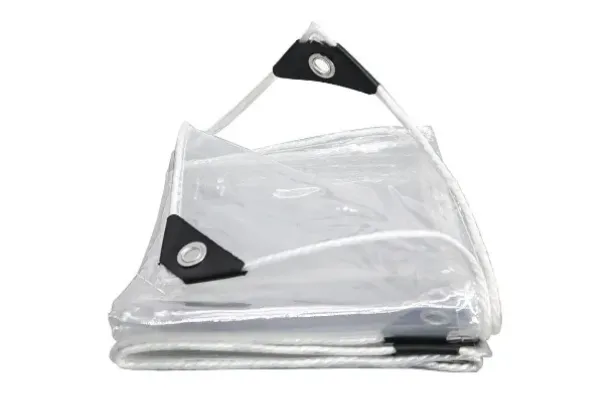
The sheet is woven from black HDPE tape yarn and laminated both sides with white LDPE film. Six grey reinforcement bands run through pre-punched holes at one-metre intervals, with one central lengthwise weld. The standard permits no more than that — each additional weld is a potential failure line.
What the Agency Standard Requires
If you are writing or reviewing a tender, this is the table to hold a supplier against.
| Property | Agency Standard | Test Method |
|---|---|---|
| SIZE Sheet size | 4 m × 6 m | — |
| WEIGHT Weight | ~190 GSM ± 20 g (OFDA: 240 GSM) | ISO 3801 |
| TENSILE Tensile (plain sheet) | ≥500 N | ISO 1421-1 |
| TEAR Tear | ≥100 N | ISO 4674 |
| UV UV resistance | ≥80% retained after 1,500 h | ASTM G53/94 |
| WELD Weld | One central weld, ≥50% retained tensile | — |
| REINF. Reinforcement | Six grey bands, 7.5 cm, holes at 1 m | — |
| FR Flame retardant (optional) | Class D, s2, d2 | EN 13823+A1 |
Test Methods Matter as Much as the Numbers
A value without a method cannot be verified. Ask any supplier for ISO 1421-1 tensile, ISO 4674 tear and 1,500-hour UV test reports before you commit.
One sheet covers a household of up to five people;
Households of six or more receive two
How Relief Tarpaulin Supply Works
Institutional buyers do not buy relief tarpaulin the way they buy a general cover. The order follows the tender, and the tender follows the compliance record.
WHAT A SUPPLIER MUST PROVIDE
4 ITEMS
Four Things on Demand
A serious supplier to this sector should be able to produce four things on demand.
- The Sheet
- Built to the agency standard above.
- The Test Reports
- Batch test reports that prove it.
- Marking & Packing
- The marking and packing the agency requires.
- Audit Access
- A factory willing to be audited.
THE AUDIT GATE
QSE
Compliance Is the Gate
That audit — often called a QSE audit, for quality, social and environmental — is the gate.
- Approved Lists
- Agencies maintain approved-supplier lists.
- Audit Failure
- A factory that cannot pass the audit does not stay on the list.
- Batch Failure
- A batch that fails independent inspection removes the supplier.
- The Documentation
- The documentation is the product. The sheet is the physical part of it.
Ask for the test reports before the price. A low quote without them is not a quote — it is a risk you will carry into the field. We prepare batch documentation and welcome third-party inspection through BV or SGS.
Request Batch DocumentationPackaging, Marking and Container Loading
Relief tarpaulin is packed to move fast through a distribution chain, not to look good on a shelf.
Five Sheets Per Bale
The standard pack is five sheets per bale, compressed to roughly 600 × 400 × 180 mm so a bale can be carried by hand.
20-Foot Container
A 20-foot container holds roughly 2,800 to 3,300 sheets — the quantity that scales to the household-coverage standard.
Strict Marking Requirements
Manufacturer’s name, production month and year, length marks, and, where the agency requires it, their logo.
Marked for the Field
Bales are marked so a field team can identify the lot without opening it — batch, size and origin visible at a glance.
This is where a general PE manufacturer’s experience already applies. Bale compression, container loading plans and batch marking are the same disciplines we run on export packing for our PE tarpaulin range — a relief tarpaulin is, at the material level, a heavy PE sheet with a compliance file attached.
Discuss Packing & LoadingRapid Supply at Disaster Scale
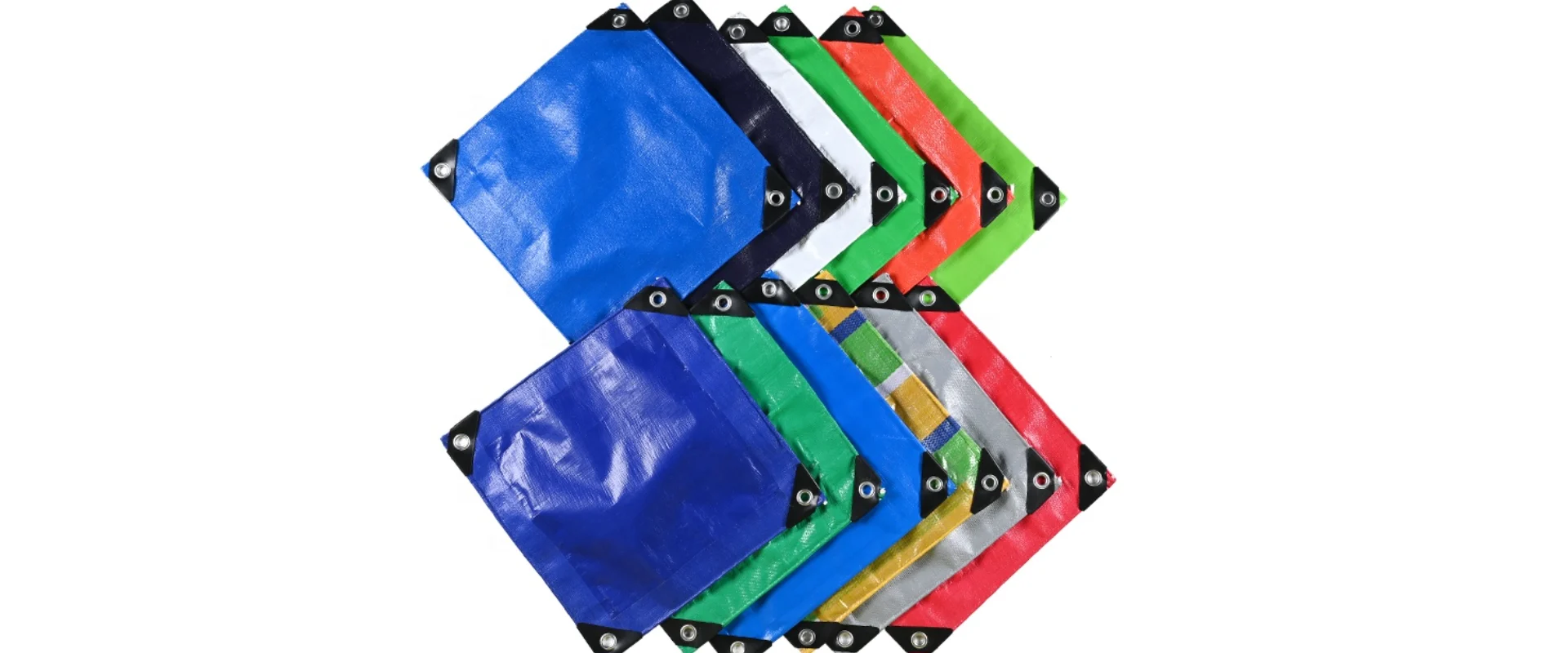
Relief procurement is surge procurement. A flood or an earthquake does not wait for a comfortable lead time, and the agencies plan for a supplier who can turn a large order into loaded containers quickly.
Two Production Bases
120,000 m²We operate two production bases totalling about 120,000 m² with a monthly output in the thousands of metric tons. A relief order is a production line decision, not a resourcing scramble.
Production Lead Time
15–25 daysProduction lead time runs 15–25 days from order confirmation, with sea freight through Qingdao or Shanghai under FOB, CIF or DDP terms.
*Relief orders are a production line decision, not a resourcing scramble.
Rapid supply matters. Agencies measure a supplier on two things: the paperwork, and whether the containers actually arrive when the field team needs them. The first gets you on the list; the second keeps you there.
Discuss Rapid SupplyEmergency & Relief Tarpaulin Applications
Shelter, flooring and protection for households displaced by disaster.
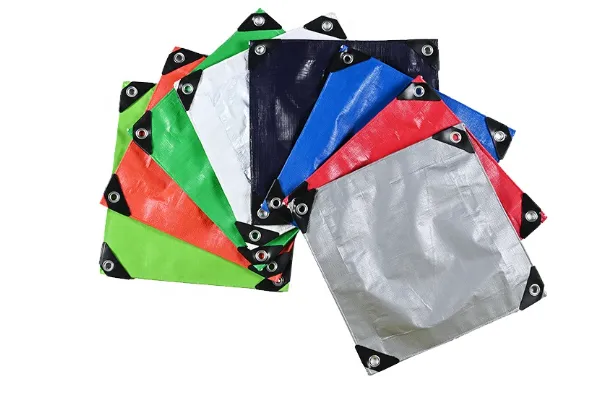
Emergency Shelter Roofing
Roof a damaged house or line a tent. The 4 × 6 m sheet covers a household of up to five people; larger households receive two.
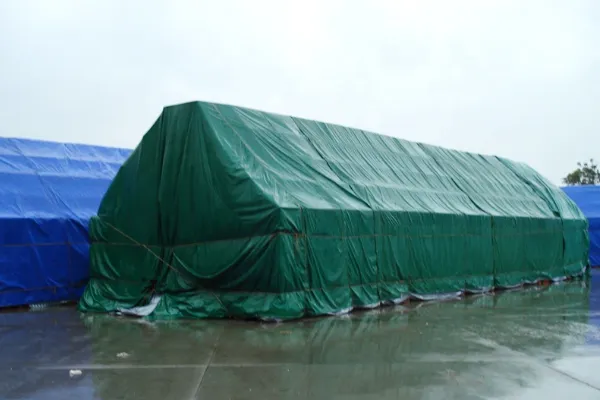
Flooring & Ground Cover
Provide a dry floor inside a shelter or a ground sheet under a tent. The waterproof HDPE and LDPE layers keep moisture from rising.
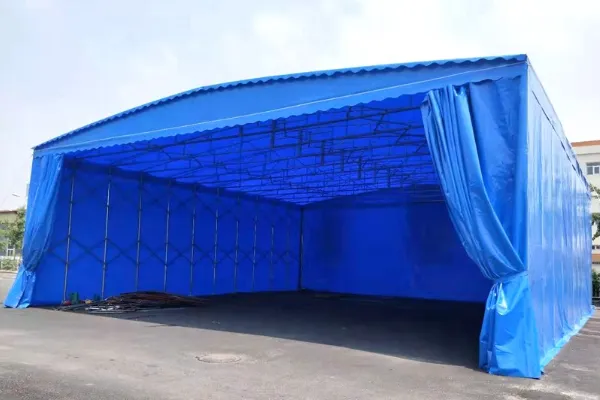
Salvaged Goods Protection
Wrap the goods a family salvaged — clothing, documents, tools, seed — before transport or while waiting for a more permanent shelter.
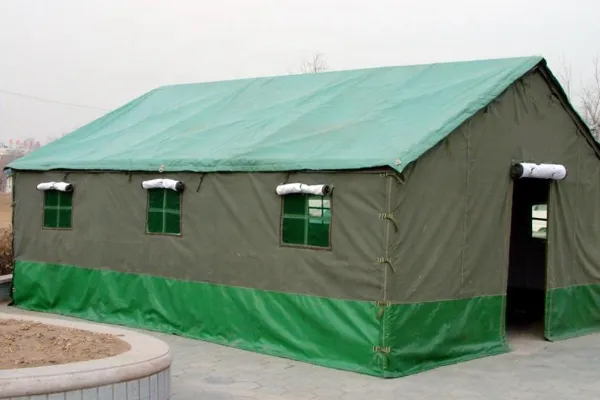
Camp & Distribution Use
Cover truck loads of relief supplies, shade distribution points, and provide temporary partitions in displacement camps. The 1,500-hour UV rating suits extended outdoor deployment.
Quality Control and Batch Consistency
Our documented 26-stage quality control system checks incoming materials, production and finished goods to help ensure your shipment matches the approved sample — and the agency standard it was tendered against.
-
Incoming Material
Check HDPE tape yarn and LDPE film before production.
-
In-Line Production
Monitor GSM, weld count, band spacing and hole pitch during manufacturing.
-
Pre-Shipment Inspection
Verify finished goods against the agency specification before dispatch.
- GSM
- Tensile Strength
- Tear Resistance
- UV Retention
Batch reports reference named methods such as ISO 1421-1, ISO 4674 and ASTM G53/94. BV or SGS inspection is available on request.
Owned Production. Verifiable Capacity.
See the facilities behind your relief order.
- Production Bases
- 2
- Factory Area
- ~120,000 m²
- Main Lines
- 4
- Finishing Lines
- 6
- Monthly Output
- ~2,000 metric tons
CUSTOMER FEEDBACK
What Our Customers Say
★★★★★
“The 4 × 6 m sheets arrived with the six reinforcement bands and central weld exactly to the agency spec. Batch test reports were included without us having to chase them.”
★★★★★
“Our field team deployed the tarpaulins in a displacement camp. The ~190 GSM HDPE core kept the shelter cooler underneath, and the 1,500-hour UV rating held through months of exposure.”
★★★★★
“Marking requirements were followed exactly — manufacturer name, production month and length marks. The bales were easy to identify in the warehouse without opening them.”
★★★★★
“The container loading plan showed how the 3,000+ sheets were packed five per bale. Everything arrived on schedule and matched the packing list line by line.”
★★★★★
“We needed an ISO 1421-1 tensile report and a 1,500-hour UV report before tendering. The team provided both without delay, which kept our submission on track.”
★★★★★
“The QSE audit was arranged without friction. Production records and material traceability were ready in advance, which shortened the approval cycle considerably.”
★★★★★
“We placed a surge order after a cyclone. Production ran within the quoted 15–25 days and the containers shipped through Qingdao without delay.”
★★★★★
“The 4 × 6 m sheet covered a household of five as the coverage standard specified. For larger families we simply ordered two sheets, which simplified our distribution math.”
★★★★★
“BV inspection was arranged on our behalf and the batch passed without findings. That independent verification is what kept us on the approved-supplier list for the next tender.”
Swipe or drag to explore
01 / 09
FAQ
Frequently Asked
Frequently Asked
Questions About
Emergency & Relief Tarpaulin
Find answers about the agency standard, GSM, UNHCR specification, packing and the documentation to require from a supplier.
Have Another Question?Share your agency specification and destination port with our export team.
What is an emergency relief tarpaulin?
An emergency relief tarpaulin is a reinforced 4 m × 6 m woven polyethylene sheet built to a harmonised agency standard — black HDPE core, white LDPE coating, roughly 190 GSM — used for emergency shelter, roofing and the protection of goods after a disaster or displacement.
What size is a relief tarpaulin?
The standard sheet is 4 m × 6 m, with six grey reinforcement bands and pre-punched holes at one-metre intervals. One sheet covers a household of up to five people; households of six or more receive two.
What GSM is a relief tarpaulin?
The harmonised standard is roughly 190 GSM ± 20 g, with USAID’s variant at 240 GSM and the 2024 eco-design specification moving toward about 170 GSM with recycled content.
What is the UNHCR tarpaulin specification?
The UNHCR specification is the 4 m × 6 m reinforced plastic tarpaulin: ~190 GSM woven HDPE/LDPE, tensile ≥500 N (ISO 1421-1), tear ≥100 N (ISO 4674), 1,500-hour UV retention (ASTM G53/94), one central weld, and bale-of-5 packing. The 2024 revision adds a requirement for recycled content.
How are relief tarpaulins packed and shipped?
They are compressed into bales of five, roughly 600 × 400 × 180 mm, marked by lot, and loaded roughly 2,800 to 3,300 sheets per 20-foot container.
What documentation should I require from a relief tarpaulin supplier?
Require batch test reports to ISO 1421-1, ISO 4674 and ASTM G53/94, proof of the marking and bale-packing standard, and evidence the factory has passed or will undergo a QSE audit. Ask for the reports before the price.
BUILT TO THE AGENCY STANDARD
Specify Your Emergency & Relief Tarpaulin
Send us the agency specification you are tendering against, the quantity, the destination port and any marking requirements. We will come back with a spec line-by-line, a sample plan and a landed-cost estimate — FOB Qingdao or Shanghai, with CIF and DDP available.
START YOUR TENDER
Send Your Tender Specification
Request Batch Documentation
Spec line-by-line · Batch test reports · Cost estimate