
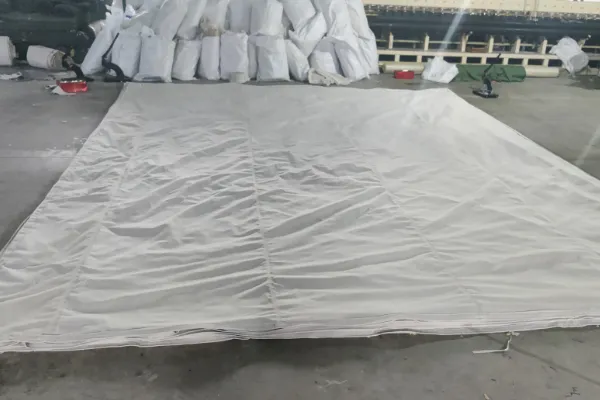
What Is Canvas Tarpaulin Made Of?
Canvas tarpaulin is a woven cotton duck fabric: a dense, breathable base cloth, then proofed with a treatment that adds water resistance. The woven layer provides strength and breathability; the treatment sheds light rain and protects the fibres without sealing the fabric shut.
Cotton Duck and Proofing — What Each Layer Does
Cotton Duck Base
The load-bearing layer provides tensile strength and lets moisture vapour pass through, so condensation does not collect under the cover.
Proofing Treatment
Adds water resistance and helps the fabric shed light rain. It is not a waterproof seal — pooling water or an unsealed seam can still soak through.
Together, these layers create a breathable, water-resistant cover — a practical choice for machinery and timber that would sweat under a sealed PVC sheet.
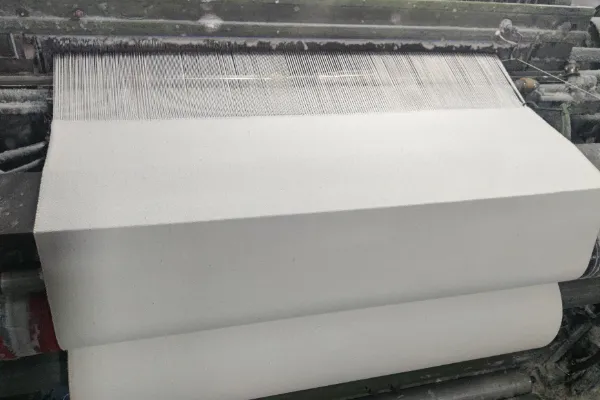
Canvas Tarpaulin Specifications: oz/yd², GSM & Duck Numbers
Canvas Weight & Typical Use
| Canvas Weight | Approx. GSM | Typical Use |
|---|---|---|
| 10 oz/yd² | ~340 GSM | Light covers, short-term use |
| 12 oz/yd² | ~410 GSM | General equipment covers, canopies, timber and firewood |
| 15 oz/yd² | ~510 GSM | Heavy abrasion, machinery, long-term storage |
| 18 oz/yd² | ~610 GSM | Marine, mining, truck covers, construction (often flame-retardant) |
1 oz/yd² ≈ 34 GSM. A 12 oz canvas is roughly 410 GSM, and an 18 oz canvas around 610 GSM. Canvas is a much heavier fabric than a PE tarpaulin of the same area — a specification written in GSM alone will understate the weight.
Two Traps When Specifying Canvas
01 — Base Weight vs Finished Weight
Many covers sold as “18 oz” are a 12 oz base fabric that gains weight during wax or paraffin proofing. The finished cover is heavier and stiffer, but the base cloth is the same. Always ask whether a quoted weight is base or finished, and put both on the order. A 50% difference on paper is common, and it changes what you receive.
02 — Duck Numbering Is Not Standardised
A “#10 duck” is 12 oz in one supplier’s table and 14 oz in another. Do not rely on the duck number. Specify oz/yd² and GSM, and ask for the batch test report that confirms them.
12 oz base
→ 18 oz finished
#10 duck
12–14 oz depending on supplier
Specify in oz/yd² and GSM. Confirm base vs finished weight on the order, and ask for the batch test report before shipment.
Canvas vs PE vs PVC — Which Material Is Right?
Canvas is not a replacement for PE or PVC, and it is not a cheaper version of either. Each material wins on a different job.
Canvas (Cotton Duck)
High breathability — air and vapour pass through. Water-resistant only, not waterproof. Low condensation risk. High mildew risk if stored wet. Choose it when the item being covered must breathe.
PE Tarpaulin
Waterproof and low cost. Moderate tear resistance, by GSM. Low mildew risk. Stiffens in cold. Choose it for general-duty coverage where service life under sun and budget are the deciding factors.
PVC Tarpaulin
Fully waterproof with welded seams. Excellent tear and abrasion resistance. Higher cost. High condensation risk without ventilation. Choose it when the job is to keep water out completely and the cover must be welded, not sewn.
How to Choose
Canvas for breathability — machinery, timber, grain in temporary store. PVC for complete waterproofing and welded seams. PE for general-duty, low-cost coverage where budget and UV life drive the decision.
Canvas Tarpaulin Applications
Canvas earns its place on covers where breathability is the point, not a compromise.
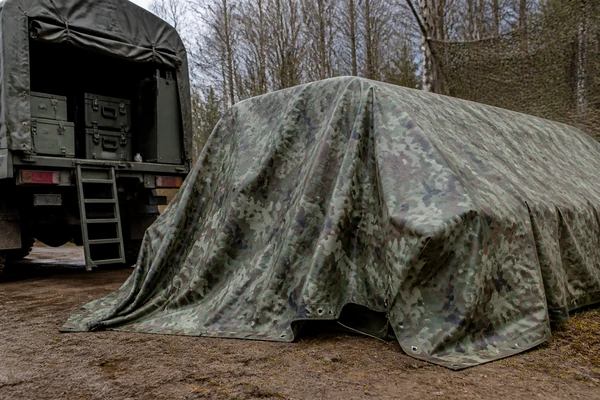
Machinery & Equipment
Engines, pumps and stored plant shed moisture rather than trapping it, which protects against corrosion under the cover.
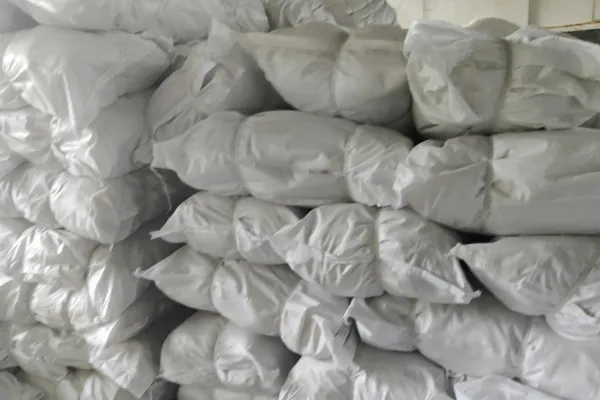
Timber & Firewood
A breathable cover lets stored wood continue to dry instead of sweating, keeping the stack in condition.
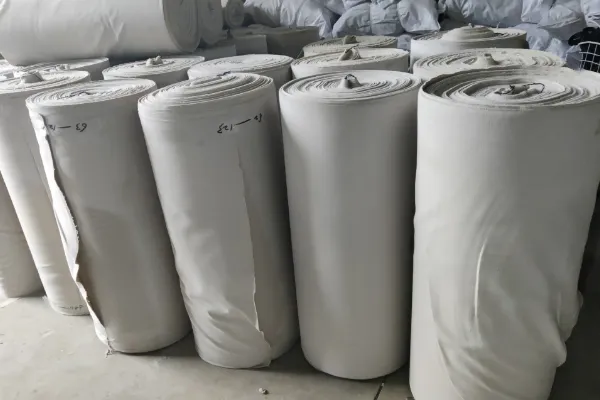
Truck & Harbour Covers
Heavy grades protect cargo in transit while allowing air movement, reducing condensation on the load.
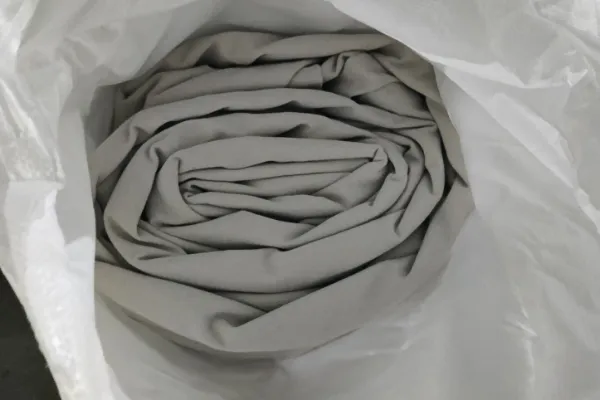
Tents, Awnings & Construction
Canvas is the traditional fabric for shelters that stay dry inside without condensation. Flame-retardant grades are specified for site enclosures.
If waterproofing matters more than breathability, that is the job for PVC or a heavy PE tarpaulin, not canvas — and we will say so rather than sell the wrong material.
Treatments and Finishing
A canvas tarpaulin’s behaviour in the field is set as much by its treatment and finishing as by its base weight.
Finishing is where most covers fail first. We fit brass eyelets at your specified spacing, hem the edges, and add corner reinforcement where the load concentrates. Eyelet and hem finishing options and special treatments are available on canvas.
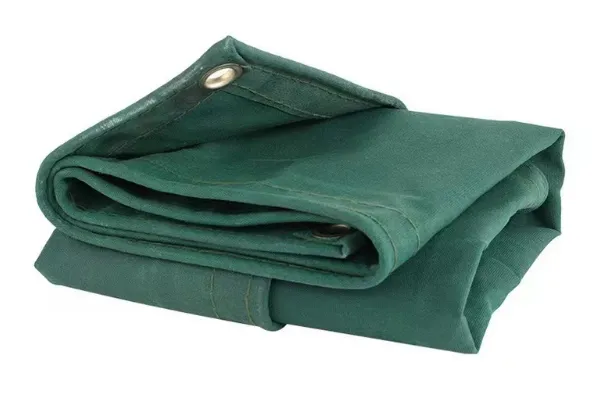
Custom Canvas Tarpaulins
Canvas covers are usually ordered to a specific size and finish, not from stock. We produce custom dimensions, colours and weights, with your logo or label printed where the order calls for it.
Custom Dimensions
Width and length made to your finished size, not cut from a standard sheet.
Custom Weight & Treatment
Specify oz/yd², colour, proofing and flame-retardant or mildew treatment.
Logo & Label Printing
Your branding or label applied where the order calls for it.
What to Send Us
- Finished Size
- Weight (oz/yd²)
- Treatment
- Eyelet Spacing
- Destination Port
From specification to sample plan. Tell us the finished size, weight in oz/yd², treatment, eyelet spacing and destination port. We will come back with a specification, a sample plan and a landed-cost estimate.
Quality Control and Batch Consistency
The buyer’s real risk with canvas is the same as with any cover: that the second container does not match the sample.
26-Stage Quality Control
From incoming material to pre-shipment inspection, covering every stage of production before the cover leaves the line.
In-Line Checks
Weight, dimensional accuracy and finishing are monitored during production, not only at final inspection.
Batch Test Reports
Available on request. Where a specification calls for it, we test tensile and tear strength to recognised methods such as ASTM D751 and ISO 13934-1.
Third-Party Inspection
Independent inspection through BV or SGS can be arranged. We quote results by grade rather than as a single unqualified claim.
Documented Results. Grade-by-Grade.
We publish tensile and tear results only where a test report supports them — no single unqualified figure across the whole range.
- 26
- QC Stages
- ASTM D751
- Tensile Test
- ISO 13934-1
- Tear Test
CUSTOMER FEEDBACK
What Our Customers Say
★★★★★
“The 18 oz canvas covered our marine equipment without trapping condensation. Breathability was the deciding factor, and the proofing held up to light rain.”
★★★★★
“We specified 12 oz for timber covers and the fabric let the wood keep drying. The mildew treatment was confirmed in writing before the order.”
★★★★★
“Brass eyelets were spaced to our drawing and the corner reinforcement sat exactly where the load concentrates. The covers fitted our harbour cranes.”
★★★★★
“The team clarified base weight versus finished weight before we ordered. That single question saved us from a 50% specification mismatch.”
★★★★★
“Flame-retardant treatment came with a test report, not just a claim. The construction site accepted the documentation without follow-up.”
★★★★★
“Samples arrived in four days and let us check the hand and finish. We confirmed the 15 oz grade for our machinery covers before committing to a container.”
★★★★★
“We needed canvas for grain covers that would not sweat. The grade recommendation matched our climate and the batch report confirmed GSM on arrival.”
★★★★★
“Custom dimensions and label printing were both handled in one order. The finished covers matched the artwork and packed as specified.”
★★★★★
“They told us canvas was the wrong choice for a fully exposed job and recommended PVC instead. That honesty is why we came back for the next order.”
Swipe or drag to explore
01 / 09
FAQ
Frequently Asked Questions About Canvas Tarpaulin
Find answers about waterproofing, weight selection, outdoor life, mildew and order requirements.
Have Another Question?Share your application and specifications with our export team.
Is canvas tarpaulin waterproof?
No. Canvas is water-resistant, not waterproof. Treated canvas sheds light rain, but it will soak through under pooling water or through unsealed seams. For a fully waterproof, welded cover, use PVC tarpaulin instead.
What weight canvas tarp do I need?
12 oz/yd² (about 410 GSM) is the general-duty benchmark for equipment and storage covers. Step up to 15–18 oz/yd² (510–610 GSM) for heavy abrasion, marine or truck use. Confirm whether the quoted weight is base or finished before comparing prices.
How long does a canvas tarp last outdoors?
With proper treatment and storage, a canvas cover typically lasts three to seven years. The two things that shorten life are sustained UV and being stored wet, which causes mildew. Flame-retardant and UV treatments extend service life only when the grade matches the exposure.
Will canvas mildew if stored wet?
Yes. That is canvas’s main weakness. A cover packed away damp will rot. Store canvas dry, and specify a mildew inhibitor for humid climates or long transit.
What is the MOQ and lead time for canvas tarpaulin?
MOQ for canvas depends on the specification — trial-order terms are negotiable, and we will confirm the figure with your first enquiry. Production lead time is 15–25 days from order confirmation, with sea freight through Qingdao or Shanghai under FOB, CIF or DDP terms.
BUILT TO YOUR SPECIFICATION
Specify Your Canvas Tarpaulin
Canvas tarpaulin is the right cover when the item underneath must breathe, and the wrong one when the job is to keep water out completely. Specify it by oz/yd² and GSM, confirm whether the weight is base or finished, and check the treatment and eyelet finishing before you order.
Tell us the application, the weight you need, the finished size and your destination port. We will recommend the grade, send a sample, and quote FOB Qingdao or CIF to your port — so you can hold the fabric before you commit to the container.