
Tarp Fasteners and Grommets: Types and How to Choose
Tarp fasteners fall into five families: grommets and eyelets, twist-lock and turn-button fasteners, snaps, toggles, and clamps. Each suits a different cover and a different load. Choosing the wrong family is the commonest reason a cover…
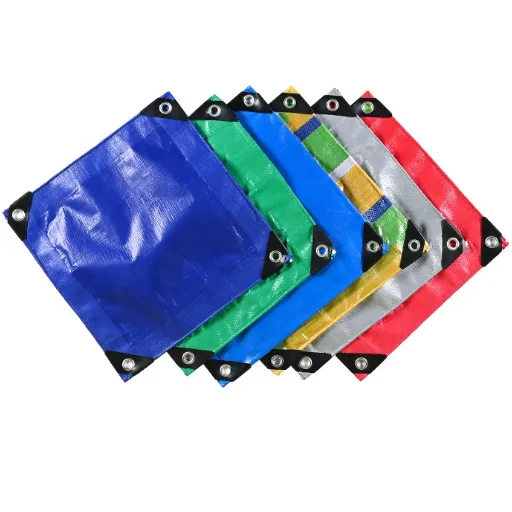
Tarp fasteners fall into five families: grommets and eyelets, twist-lock and turn-button fasteners, snaps, toggles, and clamps. Each suits a different cover and a different load. Choosing the wrong family is the commonest reason a cover fails at its fixing points rather than in the fabric.
This is a selection guide. TONGYUAN manufactures tarpaulins and fits fastenings as part of production. We do not sell loose fasteners. What follows is what to choose, how much load each option carries, and one thing worth knowing about how it is attached.
The Five Fastener Families
| Family | How it works | Load per point | Best for | Weakness |
|---|---|---|---|---|
| Grommet / eyelet | Metal ring set into a reinforced hole | Set by the fabric and hem, not the ring | Tying to varying anchor points with rope or bungee | Rope chafes; the hole enlarges under repeated stress |
| Twist-lock / turn-button | Oval stud on a base; oval eyelet pushes on and turns 90° | 20–60 kg | Frame-mounted tarps: tents, truck curtains, enclosures | Needs a rigid frame |
| Snap | Socket and stud, crimped or screwed | 10–20 kg | Canvas covers, awnings, upholstery | Releases when pulled at an angle |
| Toggle | Wooden or plastic toggle through a loop | Moderate | Traditional canvas, marquees | Slower to fit and remove |
| Clamp | Grips the fabric edge mechanically | Varies | Temporary or adjustable fixing | Not permanent; can mark the fabric |
Where the families differ most is where the load goes. A grommet is a hole in the fabric, so load concentrates around the ring and the fabric has to carry it. A twist-lock is a surface-mounted fixing on a frame, so the structure carries the load instead. That is why twist-locks hold more per point: not because the hardware is stronger, but because the load path is different.
Grommets and Eyelets: Sizing and Materials
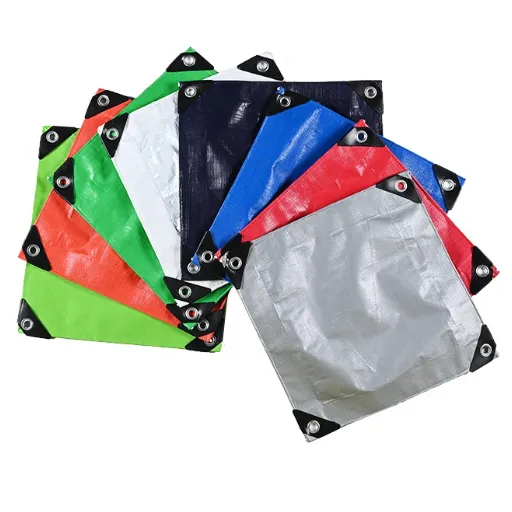
The page title mentions grommets for a reason: they remain the default fixing for general covering, and they are the one family a buyer is most likely to specify themselves.
Size is stated as inside diameter. That is the measurement that matters, because it decides what will pass through the opening. Common tarpaulin sizes are ⅜ inch (10 mm), ½ inch (13 mm) and ⅝ inch (16 mm). The ⅝ inch brass grommet, often written as size #5, is the standard for tarpaulin-weight covers and takes a typical rope or bungee end comfortably.
Material follows the same logic as the rest of the page.
| Material | Notes |
|---|---|
| Brass | Traditional and corrosion-resistant. The default for general outdoor covers. |
| Stainless steel | For saltwater and chemical exposure. Isolate from aluminium. |
| Aluminium | Light, but soft, and forms a galvanic pair with stainless |
| Plated steel | Economical. Plating wears, and once it does, rust follows. |
Two-piece or one-piece. A two-piece eyelet, with a separate washer that rolls over the fabric edge, grips better than a single-piece pressing. On a heavy cover the two-piece is the standard, and it is the difference between an eyelet that holds and one that pulls.
The backing patch is the part buyers never specify. A reinforcement patch heat-sealed behind the eyelet spreads load from the ring into a much larger area of fabric. Without it, load concentrates at the ring, and that is where covers tear. It costs little and it is the single most effective upgrade to a grommeted cover.
The Same Fastener Under Six Names
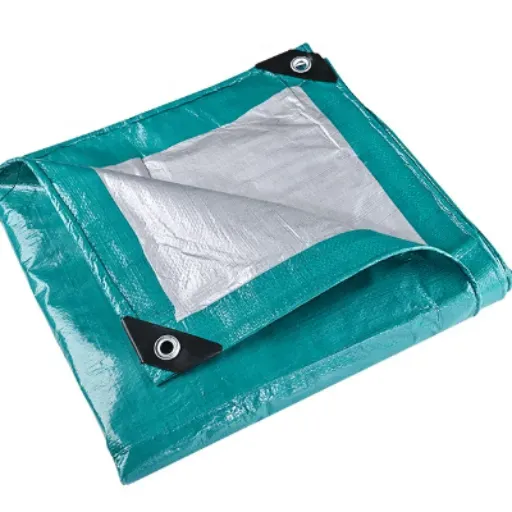
The terminology in this market is genuinely confusing, and reconciling it saves a lot of wasted searching.
| You will see it called | It is |
|---|---|
| Turn button | A twist-lock fastener |
| Common Sense fastener | A twist-lock fastener |
| Murphy fastener | A twist-lock fastener |
| Curtain eyelet fastener | A twist-lock fastener |
| Directional fastener | A twist-lock fastener |
| Grommet | Interchangeable with eyelet in practice |
The grommet and eyelet distinction is real but soft. An eyelet is typically the smaller form, set into lighter fabric. A grommet is the heavier version for tarpaulin-weight material. In the trade the two are used interchangeably, and TONGYUAN uses eyelet consistently.
The important point is the first five rows. If you are comparing “turn button” against “twist lock” specifications, you are comparing the same product against itself.
Load Ratings by Material
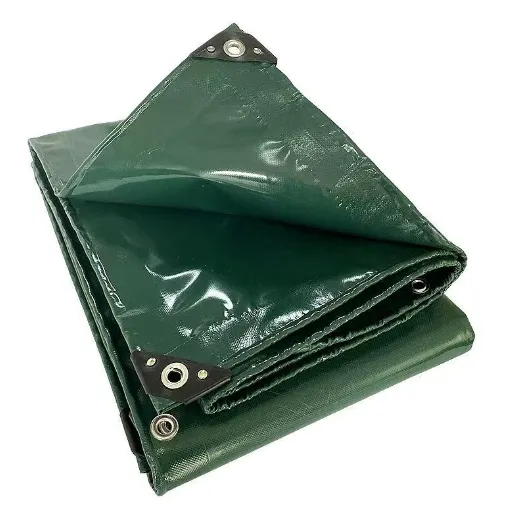
Material fixes the load rating before any other decision. The same fastener geometry behaves very differently in stainless steel and in commodity plastic.
| Material | Optimal for | Load per point | Corrosion | Relative cost |
|---|---|---|---|---|
| 316 stainless steel | Marine, saltwater, chemical exposure | 60 kg+ | Excellent | Highest |
| Solid brass / nickel-plated | General outdoor, long-life applications | 30–40 kg | Good; plating wears in salt air | Mid |
| Engineered nylon 6 | Where corrosion is the risk | 30–40 kg | Does not corrode | Mid |
| Zinc alloy | Short-life applications, 12–24 months | 20–30 kg | Unsuitable for saltwater | Low |
| Commodity nylon or ABS | Light covers, indoor | 10–15 kg | Does not corrode | Lowest |
Two rules matter more than the table:
Match stud diameter to the fabric weight, not just to the hole. A stud sized to the fabric’s weave and coating thickness seats properly. One sized only to the punched hole can work loose, however sound the load rating looks on paper.
Isolate stainless from aluminium. Stainless hardware mounted to an aluminium frame creates galvanic corrosion, and the frame is what gets attacked. Use nylon isolation washers. This failure is routinely blamed on the fastener when the fastener was never the problem.
Sizing, Spacing and Where the Load Goes
The oval matters. A round hole enlarges under repeated stress and eventually lets the stud pull through. An oval eyelet matched to an oval stud resists that, which is the whole reason twist-locks use an oval rather than a round grommet.
Spacing follows exposure, not habit.
| Application | Spacing |
|---|---|
| Wind-exposed, highway or exposed site | 40–50 cm |
| Sheltered, seasonal or low-tension | Up to 60 cm |
Two-hole screw bases carry roughly double a single-screw base, which carries about half the rated load. If you are specifying hardware on a frame, that is the difference worth paying for.
Spacing is a specification here because it is what you put on a drawing. If you are working out how many fixings a cover needs or how spacing interacts with your site, our installation and securing guide covers that side.
Which Fastener for Which Cover
| Cover | Natural fastening | Why |
|---|---|---|
| Truck curtain and flatbed cover | Twist-lock, 316 stainless where exposed | Frequent open and close; must not release at speed |
| Frame tent and marquee | Twist-lock on the frame | Rigid frame carries the load |
| Boat cover | Snap or twist-lock, 316 stainless | Salt exposure rules out zinc and plating |
| Hay, grain and silage cover | Grommet with rope | Tied to varying ground anchors |
| Scaffold enclosure | Grommet and bungee, or clamp | Attached to scaffold tube, not a frame |
| General yard covering | Grommet and bungee | Occasional fitting |
When not to use twist-locks: they need a rigid frame. For tie-down to ground anchors, a hay stack or an irregular load, a grommet with rope is the right answer and a twist-lock is not available for the job.
Maintenance, Service Life and Failure Modes
Fastenings are the part of a cover that can be maintained, and the maintenance is short.
Keep the cover tight. A loose cover flaps, and flapping fatigues the fabric at its fixings. Most of the failures in the next section start as a cover that was not tensioned properly on the first fitting.
Check fixings, not just fabric. A fixing that has worked loose will fail long before the cover around it wears out. Checking fastenings at the start of a season costs minutes.
In salt environments, rinse and lubricate. Freshwater rinsing removes salt deposits that drive corrosion. A silicone lubricant on twist-lock studs keeps them turning freely, and a stud that will not turn gets forced, which is when it breaks. Do not use a petroleum-based grease, which can attack some plastics and coatings.
Replace at the first sign of wear. A worn eyelet, a plated fixing with the plating gone, or a stud that has started to oval further will fail at an inconvenient moment. Carrying a small set of spares and replacing as you go is cheaper than a cover lost from a truck.
Store covers dry and folded, not bundled. Fixings crushed against each other in storage deform. Fold so fixings are not concentrated at one point.
How the Fastening Is Attached Matters More Than What You Choose
This is the part that decides whether your specification survives its first season.
Hand-set eyelets have prongs bent by hand. Hole alignment varies, setting pressure varies, and retention varies with the operator. Factory-set eyelets are set at consistent pressure with a heat-sealed backing patch that distributes load from the ring into the fabric around it.
The measured difference is a 3–5× service life, with more consistent retention.
This is the honest limit of a selection guide: choosing the right fastener family is necessary but not sufficient. A correctly specified 316 stainless twist-lock, hand-fitted badly, underperforms a commodity grommet fitted properly.
Where that leaves us. We do not sell the fastener. We fit it, and the fitting is what determines whether it lasts. Our eyelets, hems and finishing page covers what we can specify.
Why Fastenings Fail
| Symptom | Likely cause |
|---|---|
| Eyelet tears out of the fabric | Load concentrated at too few points; edge reinforcement too narrow; backing patch absent |
| Stud pulls through the eyelet | Round hole where an oval is needed; stud diameter not matched to fabric weight |
| Fastener releases under load | Snaps pulled at an angle; wrong family for the application |
| Corrosion at the fixing | Stainless on aluminium without isolation; zinc alloy in salt air |
| Fabric fails between fixings | Spacing too wide for the exposure |
None of those is a hardware defect. Each points at the specification, and each is fixable on the next order. If you have a cover that failed, send it and we will identify which of these it is.
FAQ
What are the different types of tarp fasteners?
Five families: grommets and eyelets set into the fabric edge, twist-lock and turn-button fasteners that mount to a frame, snap fasteners for light canvas, toggles for traditional covers, and clamps for temporary fitting. Twist-lock and turn-button are the same product under different trade names.
What is the difference between a grommet and an eyelet?
An eyelet is generally the smaller form, used in lighter fabric. A grommet is the heavier version for tarpaulin-weight material. In practice the trade uses the two interchangeably, and TONGYUAN uses “eyelet” consistently.
What is the load capacity of tarp fasteners?
It depends on the material rather than the type. Commodity plastic fasteners carry 10–15 kg per point; zinc alloy 20–30 kg; brass, nickel-plated and engineered nylon 30–40 kg; 316 stainless steel 60 kg or more. Those are company-reported figures and should be confirmed against the grade you are buying.
How far apart should grommets be on a tarp?
40–50 cm for wind-exposed applications such as highway covers and exposed site enclosures, up to 60 cm for sheltered or low-tension use. The figure belongs on the production drawing, because “reinforced edge” tells you nothing you can inspect against.
Are twist lock fasteners better than snaps for tarps?
For anything frame-mounted and load-bearing, yes. A twist-lock requires a deliberate quarter-turn to release; a snap releases when pulled at an angle, which is why snaps suit covers removed by hand rather than covers under wind load. Snaps are not a substitute for twist-locks on a truck curtain.
Why do my eyelets keep tearing out?
Almost always because load is concentrated at too few fixing points, or because the edge reinforcement is too narrow to spread it. A hand-set eyelet without a backing patch makes it worse. Spacing that is too wide for the wind exposure, or a tie-down angle pulling across the edge rather than along it, produces the same result.