
Tarpaulin Materials Compared: PE, PVC, Canvas and the Alternatives
Tarpaulin comes in four material families, and the choice between them is settled by three questions: how long the cover has to last, what it has to resist, and whether trapped moisture is a problem. Polyethylene…
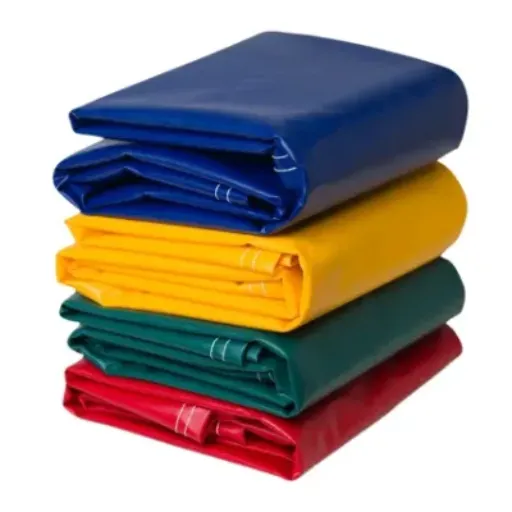
Tarpaulin comes in four material families, and the choice between them is settled by three questions: how long the cover has to last, what it has to resist, and whether trapped moisture is a problem.
Polyethylene is the lowest-cost general cover. PVC-coated fabric lasts longest and resists abrasion and chemicals. Canvas breathes, and is water-resistant rather than waterproof. Mesh is for shade, not shelter.
This guide compares them on specification, lifespan and cost per year of service, which is the number that actually decides the purchase. If you are already choosing between PE and PVC specifically, our PE vs PVC tarpaulin comparison goes deeper on those two.
Tarpaulin Materials: The Short Answer
| Material | Weight | Water | Typical lifespan | Choose it when |
|---|---|---|---|---|
| PE (polyethylene) | 60–300 GSM | Waterproof | 1–3 years | Cost matters more than service life |
| PVC-coated fabric | 300 GSM and above | Waterproof | 5–10 years | Abrasion, chemicals, long service |
| Canvas | varies by weight | Water-resistant | 2–5 years | Airflow prevents rot or condensation |
| Mesh | 70–200 GSM | Not waterproof | 3–7 years | Shade, windbreak, debris control |
| TPU | varies | Waterproof | varies | Extreme cold, where PVC stiffens |
Lifespan and weight ranges are published market ranges, not a single manufacturer’s specification, and they vary with UV exposure, handling frequency and fixing detail.
Polyethylene (PE)
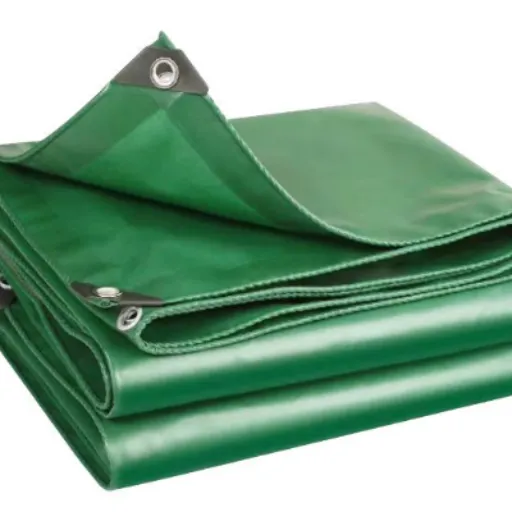
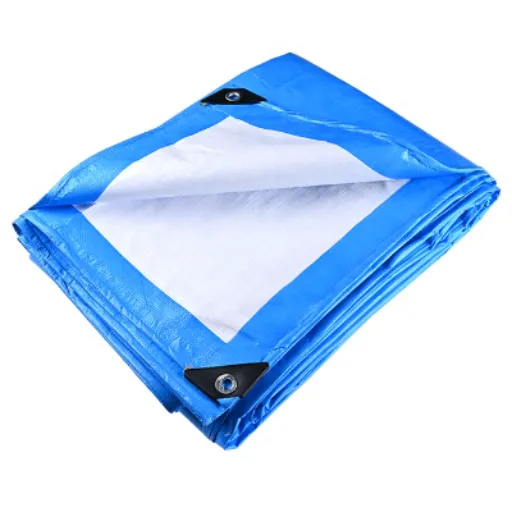
What it is. A high-density polyethylene fabric: HDPE woven into a mesh, laminated on both faces with low-density polyethylene. The woven base carries the tensile and tear load. The coating carries the water barrier and holds the UV stabiliser.
Where it wins. Cost per square metre is the lowest of any tarpaulin material, and by a wide margin. It is light, so handling and installation labour is low. It cuts and welds easily, which is why it is the base material for local converters. And it is the more readily recyclable of the two main materials.
Where it fails. Unstabilised PE degrades in sustained sun within a single season. It chafes through against sharp edges, where PVC would not. And because it is a stitched or heat-sealed woven product, seams are a weaker point than a welded PVC seam is.
What to specify. The GSM band, the mesh count, whether UV stabilisation is included and at what level, and a published GSM tolerance so you can hold the supplier to it. Our PE tarpaulin range covers 60–300 GSM with a ±3% tolerance.
PVC-Coated Fabric
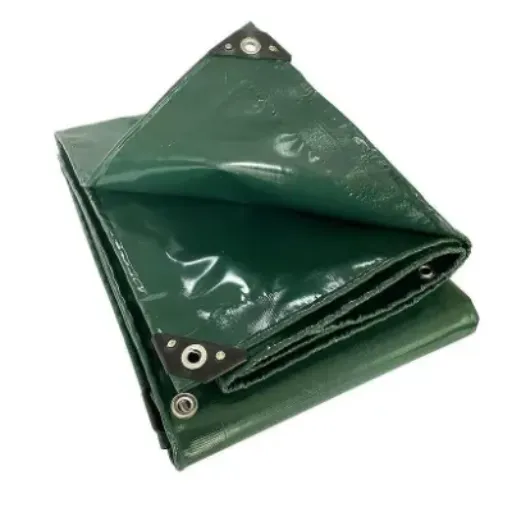
What it is. A woven polyester scrim coated on both faces with polyvinyl chloride. The coating is continuous, so the fabric does not wick along the weave, which is the structural difference from PE.
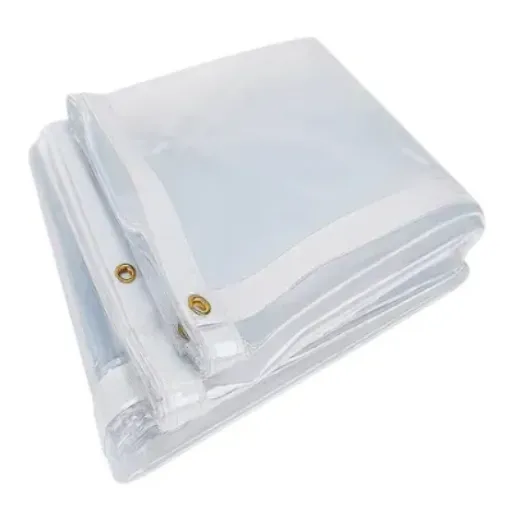
Where it wins. Abrasion and pinhole resistance are far better, which is what a truck curtain or an industrial cover actually needs. It heat-welds into a continuous membrane, so the seam does not become the first point of failure. Service life runs to five or ten years outdoors where UV-stabilised. And it resists fuels, oils and many chemicals that would degrade PE.
Where it fails. Cost per square metre is roughly two to ten times PE. It is heavier to handle. Standard PVC stiffens in the cold unless a cold-flex grade is specified. Below about −20 °C it becomes awkward to fold, which matters in northern markets. And it is harder to recycle than PE.
What to specify. GSM, the base fabric denier and weave density, the coating process (knife-coated or laminated, which changes abrasion and tear performance in opposite directions), and the flame-retardant standard if the site requires one. See the PVC tarpaulin range.
Canvas and the Alternatives
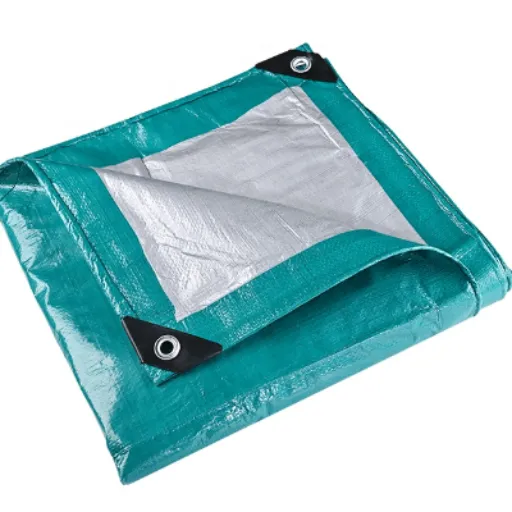
Canvas is the traditional tarpaulin: plain-woven cotton, linen or hemp, or a cotton-polyester blend. It has two properties the synthetic materials do not. It breathes, which prevents condensation under a cover and makes it the right choice for machinery, timber and anything that would otherwise sweat. And it is quiet and soft, so it will not scratch painted surfaces.
It is also water-resistant rather than waterproof. It repels light rain, but pooled water soaks through, and if it is stored wet it mildews. It is heavier than PE when wet and more expensive than PVC at comparable duty. For commercial haulage it has been largely replaced by PVC.
Mesh is a woven open fabric for shade, windbreaks and debris control, not weather protection.
TPU is the answer where cold flexibility matters more than cost. It stays supple well below the point where PVC stiffens.
Where that leaves us. TONGYUAN manufactures PE and PVC tarpaulin. If your application genuinely calls for canvas, mesh or an architectural membrane, tell us and we will say so rather than quote you something adjacent. A cover that is right for drainage is wrong for a permanent main, and a PE cover where canvas was needed is a cover you will replace twice.
Cost Per Year of Service
This is the comparison almost nobody publishes, and it is the one that decides the purchase.
| Material | Market price band (per m²) | Lifespan | Indicative cost per m² per year |
|---|---|---|---|
| PE, light | low | under 1 year | highest |
| PE, heavy / UV-stabilised | low–mid | 2–3 years | moderate |
| PVC-coated | high | 5–10 years | low–moderate |
| Canvas | mid–high | 2–5 years | moderate–high |
Price bands are published market ranges from third-party sources and vary widely by region, specification and volume. The cost-per-year column is an illustrative derivation, not a quotation. Ask us for actual pricing against your specification.
Read the table this way: a cheap cover that lasts one season costs more per year than an expensive one that lasts eight. That is not an argument for buying the heaviest material available. It is an argument for doing the division before you decide.
Three things keep it honest:
- A longer-lived material only wins if the cover survives that long. Service life is a statement about specification and fixing as much as about material. The best fabric in the world fails in one season if the eyelets tear out, which is why our eyelets, hems and finishing page exists.
- Short service life is sometimes correct. For a one-season temporary requirement, a light PE cover that is thrown away is the right purchase, and paying for PVC would be waste.
- PVC carries a higher recycling burden. If end-of-life handling is part of your procurement criteria, PE is the easier material to account for, and a longer-lived product generally has a lower lifetime impact than a short-lived one replaced repeatedly.
Choosing Tarpaulin Material by the Failure You Are Preventing
Work backwards from what actually goes wrong, not forwards from the price list.
| If the failure you are preventing is… | Choose |
|---|---|
| Sun and UV degradation | UV-stabilised PE at 200 GSM or above. Unstabilised PE is a single-season material in full sun. |
| Abrasion against steel, concrete or aggregate | PVC-coated fabric. PE will chafe through. |
| Condensation and mould under the cover | Canvas, or a fixing detail that lets air move under a PE or PVC cover. |
| Wind load and flapping | A heavier cover with rope-reinforced hems and fixing at mid-height, not just a thicker material. |
| Chemical or fuel exposure | PVC-coated fabric. |
| Cost, on single-season work | PE, and accept that it will be replaced. |
What Determines Quality, Whatever the Material
Material is only half the specification. These matter as much:
- Weave count and denier: more yarn and heavier yarn resist tearing better
- Lamination or coating quality: a continuous coating does not leak along the weave
- Seam and hem reinforcement: where most covers fail
- UV treatment, and at what level
- A published tolerance, so consistency can be checked between orders
And one correction worth making, because it is widely assumed and wrong: colour has almost no influence on quality. The measurement basis for these factors is set out in this published guide to sizing up tarp quality. Beyond reflectivity and visibility there is no reason a silver cover outperforms a blue one. Do not pay a premium for colour and call it specification.
Weight selection is a separate decision from material selection. Our guide to choosing tarpaulin GSM covers it.
FAQ
Which tarpaulin material lasts longest?
PVC-coated fabric, typically five to ten years outdoors where UV-stabilised, against one to three years for a heavy PE cover. The gap widens in high-UV climates. But lifespan only pays off if the cover is specified and fixed well enough to reach it.
Is PVC tarpaulin better than PE tarpaulin?
It is more durable and costs more. PVC wins on abrasion, chemical resistance, welded seams and service life; PE wins on price, weight and recyclability. Neither is better in the abstract. The right answer depends on the failure you are trying to prevent. Our PE vs PVC comparison goes through it properly.
Is canvas better than plastic tarpaulin?
For a few jobs, yes, and those jobs are real. Canvas breathes, so it prevents condensation on machinery and stored materials, and it will not scratch painted surfaces. It is water-resistant rather than waterproof, it mildews if stored wet, and it has largely been replaced by PVC for commercial haulage.
What is the best tarpaulin material for hot weather?
UV-stabilised PE at 200 GSM or above for general work, or PVC-coated fabric where the cover will also be handled and abraded. The decisive factor in a hot climate is the UV stabiliser package, not the raw polymer. An unstabilised PE cover is a single season in full sun whatever its weight.
What material is best for covering something that could sweat?
Canvas, because it breathes. Failing that, any cover with a ventilation detail: tenting it above the load rather than laying it flat, and leaving gaps at the base. A waterproof cover laid directly onto a damp object will trap moisture and grow mould.